


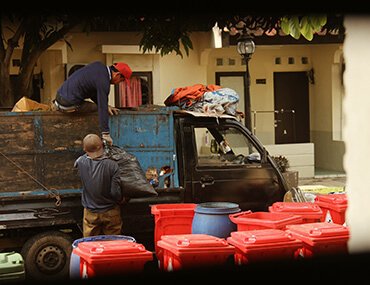
Why Soil Treatment Matters
Soil contamination, caused by industrial activity, hazardous waste disposal, or accidental spills, can have long-term impacts on land, water, and human health. Instead of landfilling contaminated soil, treatment facilities enable us to:
Neutralize pollutants through biological, physical, and chemical processes.
Recover usable soil for landscaping, construction, and agricultural applications.
Reduce landfill dependency and promote circular economy principles.
Key Stages in the Construction Process
Site Assessment & Design
Geological surveys and environmental impact assessments. Layout planning to accommodate treatment zones, leachate systems, and drainage.
Groundwork & Civil Construction
Preparing the foundation with protective liners and barriers.
Installing stormwater management and leachate collection systems.
Treatment Infrastructure
Setting up bioremediation pads, soil washing units, and stabilization areas. Incorporating advanced technologies like thermal desorption or chemical immobilization where needed.
Support Facilities
Administrative buildings, laboratories for soil testing, and safety stations. Storage units for treated soil and by-products.
Commissioning & Compliance
Testing equipment and validating treatment performance. Ensuring compliance with environmental regulations and safety standards.


Leave a Comment