Waste Management and Recycling

Waste to Energy

01

Maximize Efficiency Through Proper Sorting

Turning Waste into Power

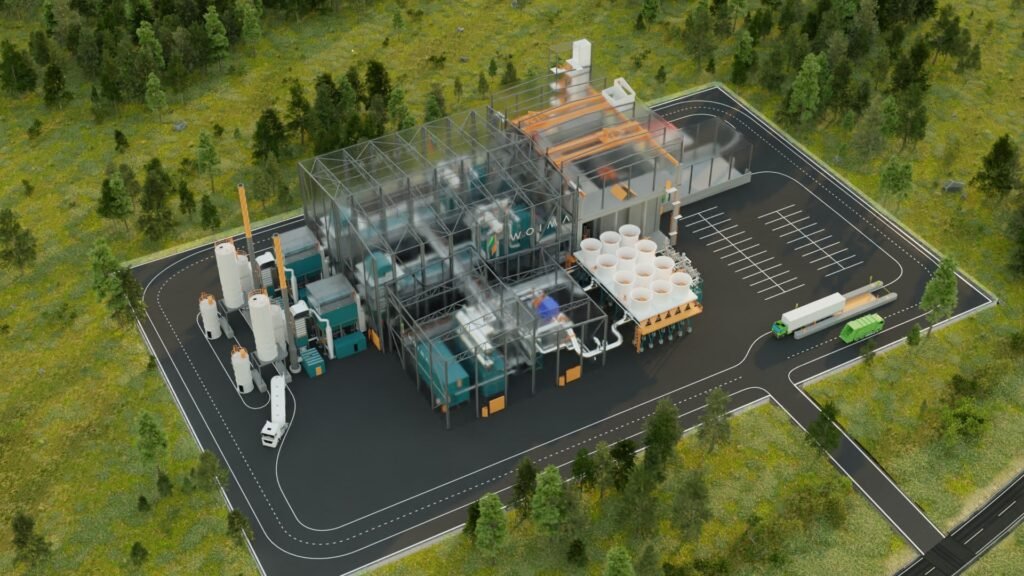
Waste-to-Energy (WTE), also known as Energy-from-Waste (EfW), is a transformative technology that converts non-recyclable waste into usable energy — such as electricity, heat, or fuels — using thermal, biological, or chemical processes. It offers a dual benefit: managing waste more sustainably while helping meet energy demands.

Recycling Incentives

Green Disposal Practices

02

Commercial Waste

Municipal solid waste processing

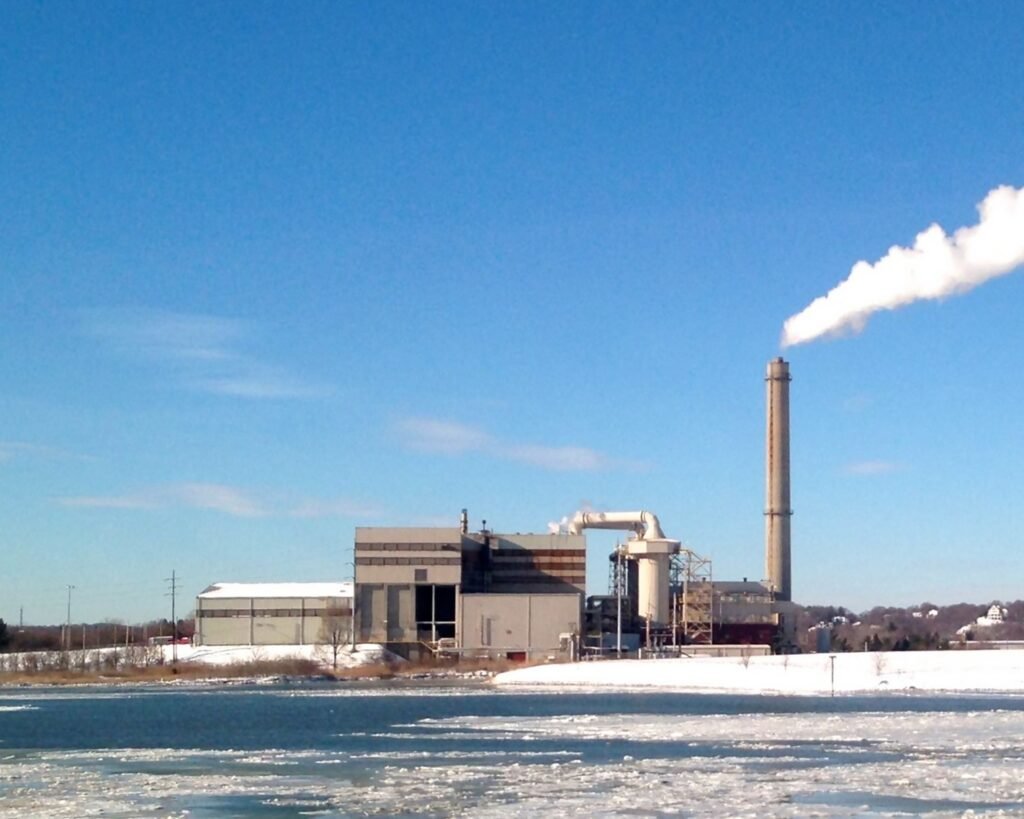
many cities have WTE plants to handle non-recyclable fraction of MSW. controlled incineration / WTE of certain industrial or hazardous wastes.

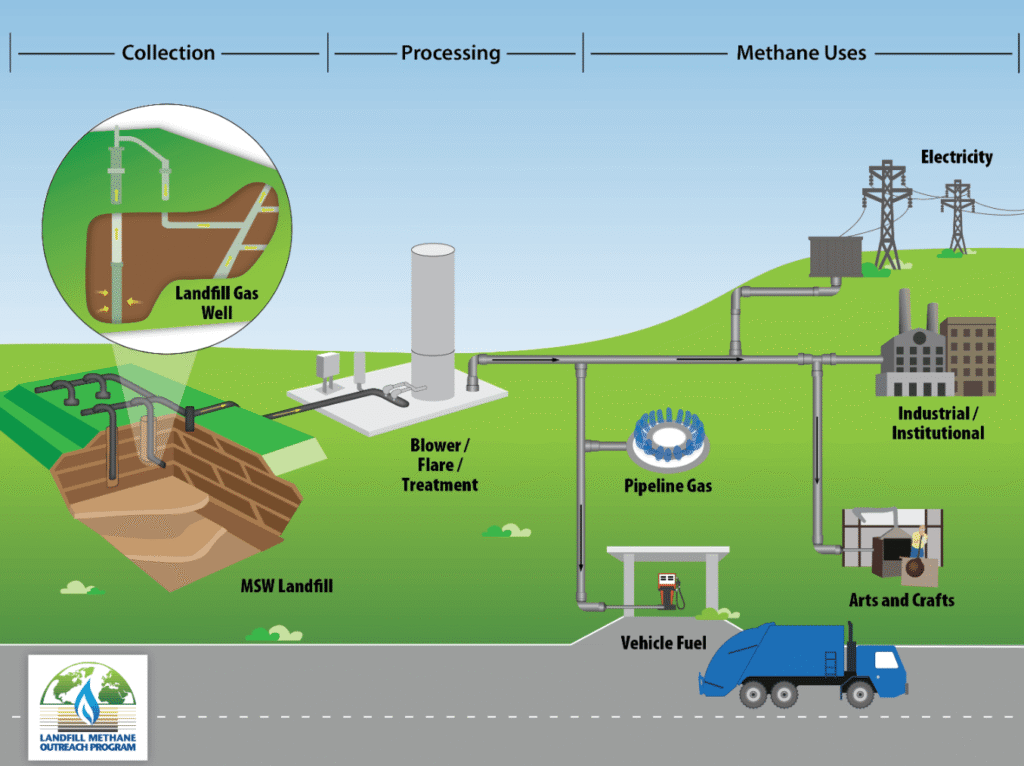
Rural / decentralized biogas — anaerobic digestion of agricultural or organic waste to produce biogas in villages. Landfill gas capture — retrofitting existing landfills to capture and use emitted gas.

Waste Management

Waste to Energy Matters

Streamline waste sorting for recycling

Reduce landfill burden

WTE can shrink the volume of waste dramatically (e.g. incineration systems can reduce waste volume by ~ 80-90 %)

Lower greenhouse gas emissions

Waste in landfills produces methane — a potent greenhouse gas. Converting waste to energy can prevent those emissions.

Resource recovery:

Metals and other materials that survive combustion can be recovered and recycled.

Flexible Waste Pickup !

Start Proper Waste Disposal Today

Drop a Line

Customer Support

Headquarter

General Inquiries

We value your feedback and are eager to provide any information

Collaboration

We welcome collaboration proposals and partnership

Contact Us